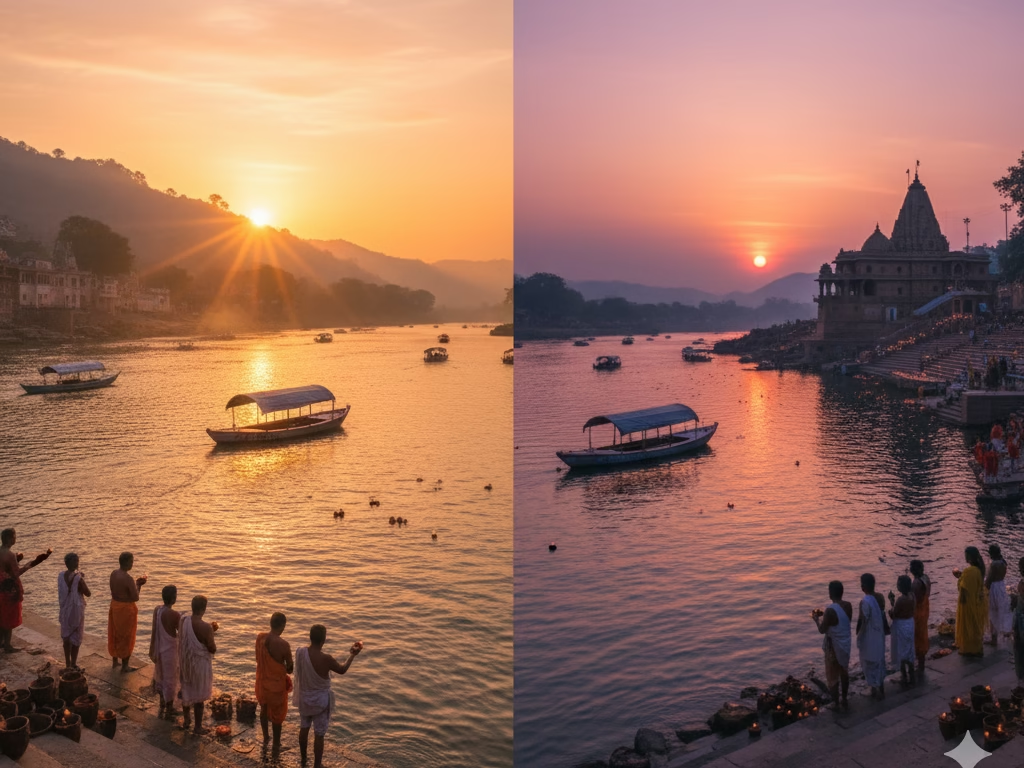
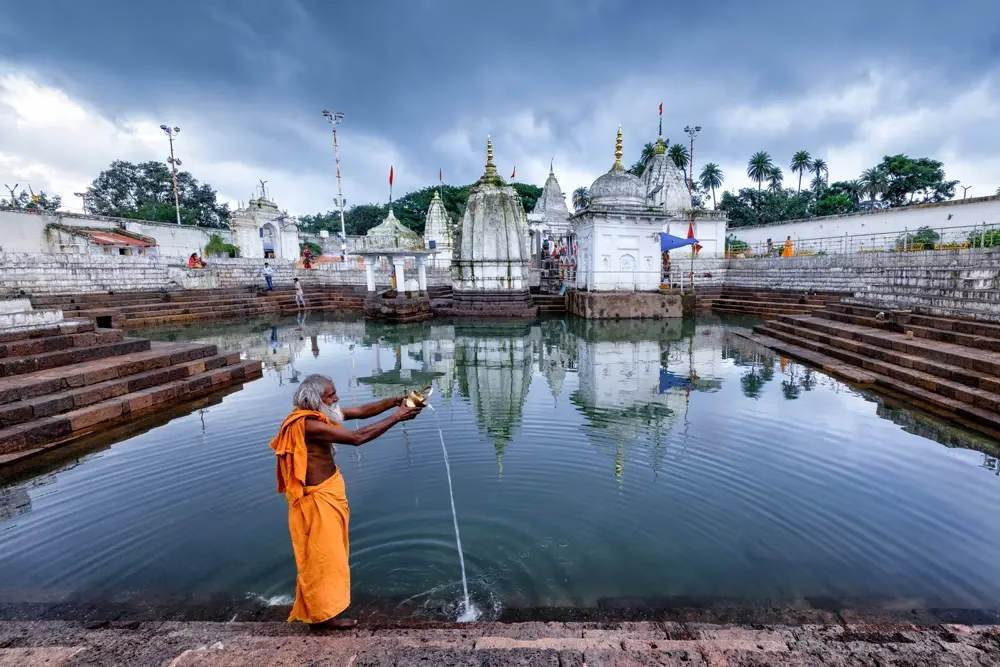
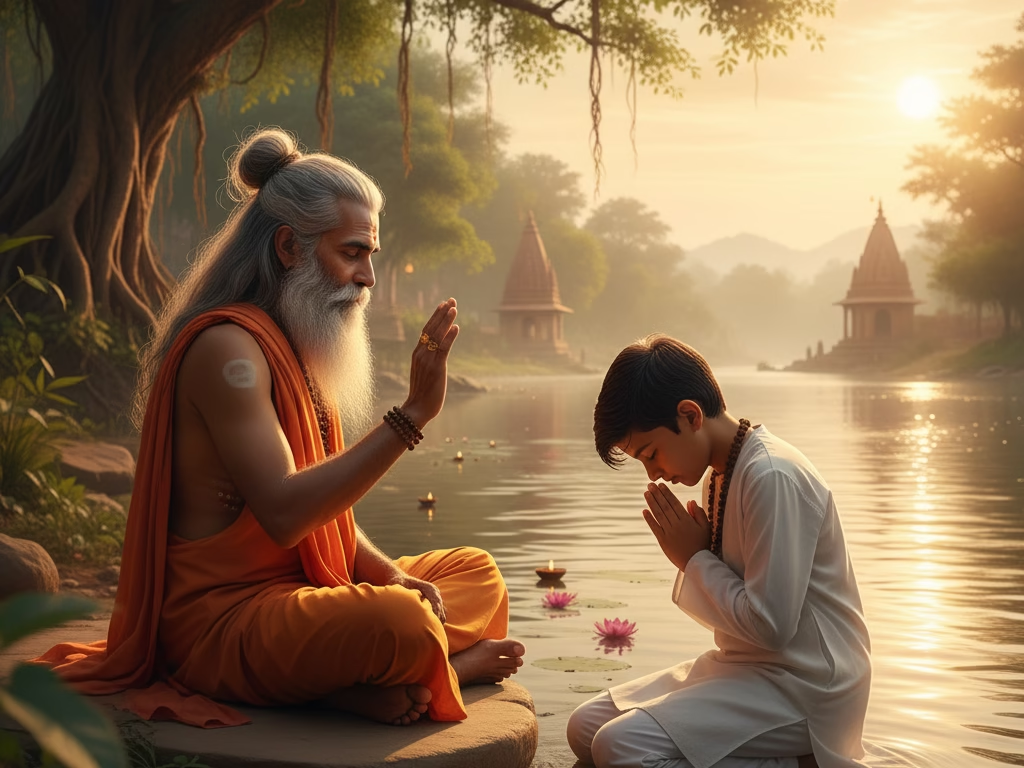
The Narmada Parikrama is one of the most revered and spiritually transformative pilgrimages in Hinduism. Spanning over 3,300 kilometers across Madhya Pradesh, Gujarat, and Maharashtra, devotees circumambulate the sacred Narmada River while keeping the river to their right side at all times.
Unlike other major rivers, it is believed that merely viewing Mother Narmada (“Narmada Ke Har Kankar Me Shankar”) bestows liberation and peace. Whether you plan to undertake this divine journey on foot (Pad Yatra) or via private vehicle/taxi, this comprehensive guide covers everything from route maps, important rules, and timetables to accommodation and transport assistance.
📊 Narmada Parikrama at a Glance (Key Details)
Quick essential facts for planning your Parikrama itinerary:
📜 Sacred Rules & Traditions of Narmada Parikrama
To receive full spiritual benefits, traditional scripture mandates following certain rules throughout the Yatra:
- Never Cross the River: Devotees must never cross the Narmada River bed. The journey requires walking along the southern bank up to Bharuch (Meethitalai, Gujarat), taking a boat across the sea mouth, and returning via the northern bank to the origin.
- River on the Right: Keep the holy Narmada River on your right hand side (Pradakshina direction) at all times during travel.
- Sankalp and Pujan: Take a formal vow (Sankalp) and perform Narmada Pujan at Omkareshwar or Amarkantak before commencing the journey.
- Sattvic Lifestyle: Maintain complete celibacy (Brahmacharya), eat simple vegetarian food, and chant “Narmade Har” constantly.
📍 Key Holy Destinations Covered in Parikrama
The starting point for taking holy water (Sankalp) and offering final prayers upon completion.
The origin site of the Narmada River nestled high in the Maikal hills of eastern Madhya Pradesh.
Famous for the stunning Marble Rocks, Dhuandhar Waterfalls, and Gwarighat sunset Aarti.
Historic riverfort ghats built by Queen Ahilyabai Holkar and Nemawar, the geometrical midpoint of Narmada.
Frequently Asked Questions (FAQs)
Yes! Many senior citizens and working professionals opt for the 12 to 15-day vehicle Parikrama in private AC cars. Accommodation and food arrangements are widely available near major ghats and ashrams along the highway.
Traditionally, pilgrims pause their foot travel during Chaturmas (July to October) due to heavy rainfall and rising river levels. The ideal season to begin Parikrama is right after Diwali in November.