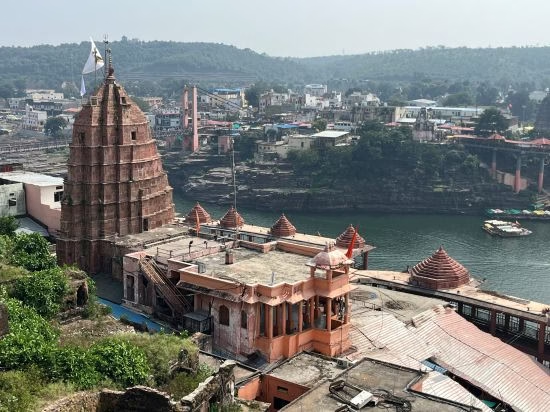
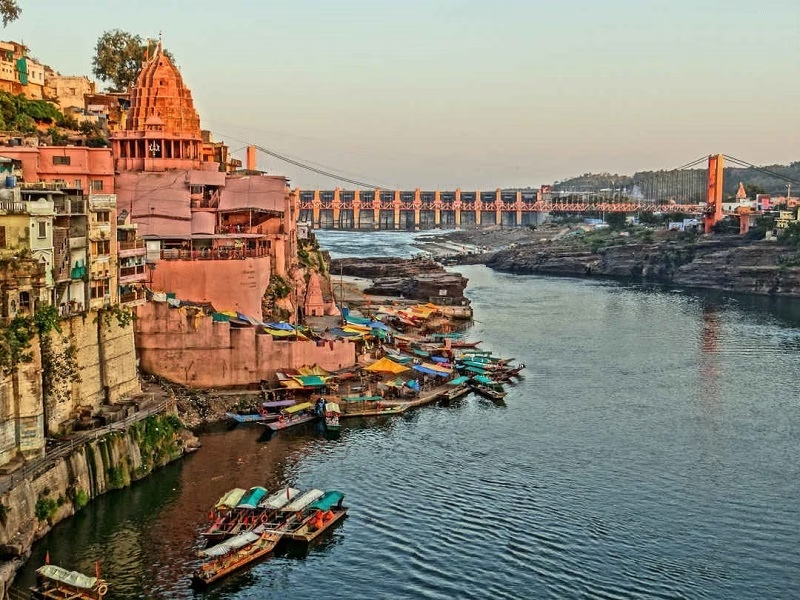
Situated majestically on Mandhata Island (Shivpuri) in the Narmada River, Shri Omkareshwar Jyotirlinga is revered as the 4th of the 12 sacred Jyotirlingas in Hinduism. The island itself is naturally carved by river streams in the shape of the sacred cosmic symbol ‘OM’ (ॐ).
Every year, millions of devotees visit this divine sanctuary to perform holy Narmada dips, participate in ancient rituals, and seek blessings. This guide covers the ancient history, Puranic legends, daily Aarti schedule, and essential visitor details for Omkareshwar.
🕉️ Omkareshwar Jyotirlinga at a Glance
Essential visitor facts for planning your pilgrimage:
📜 Puranic Legend & History of Omkareshwar
According to the Shiva Purana, three major legends explain the origin of this divine site:
- Vindhyachal’s Tapasya: The deity of the Vindhya mountain range performed severe penance here to please Lord Shiva. Satisfied with his devotion, Shiva appeared and granted Vindhya’s wish to grow, manifesting himself as the Jyotirlinga.
- King Mandhata’s Devotion: King Mandhata of the Ikshvaku dynasty performed intense austerities atop this hill, prompting Lord Shiva to make it his eternal abode. Hence, the island is named Mandhata.
- Dev-Danav War: During a fierce battle between Gods and Demons, the Devas prayed to Lord Shiva here for victory, leading to Shiva’s manifestation as Omkareshwar.
🛕 Daily Temple Rituals & Timings
First ritual of the day performed as the temple opens for morning devotees.
Sacred food offering to Lord Shiva followed by brief temple closure.
Grand evening Aarti with grand lamp decorations along the Narmada ghats.
Frequently Asked Questions (FAQs)
On regular days, general Darshan takes around 1 to 2 hours. On Mondays, Shravan month, and Shivratri, queue times can range from 3 to 5 hours.
Yes, to visit the main Omkareshwar temple on Mandhata Island, you must cross the river using the footbridges (झूला पुल / Jhula Pul) or by taking a boat ride across the river.