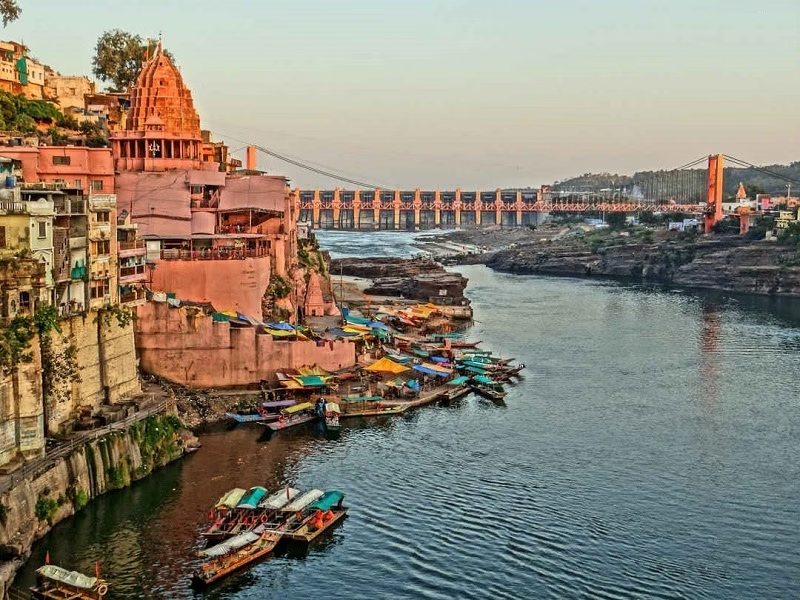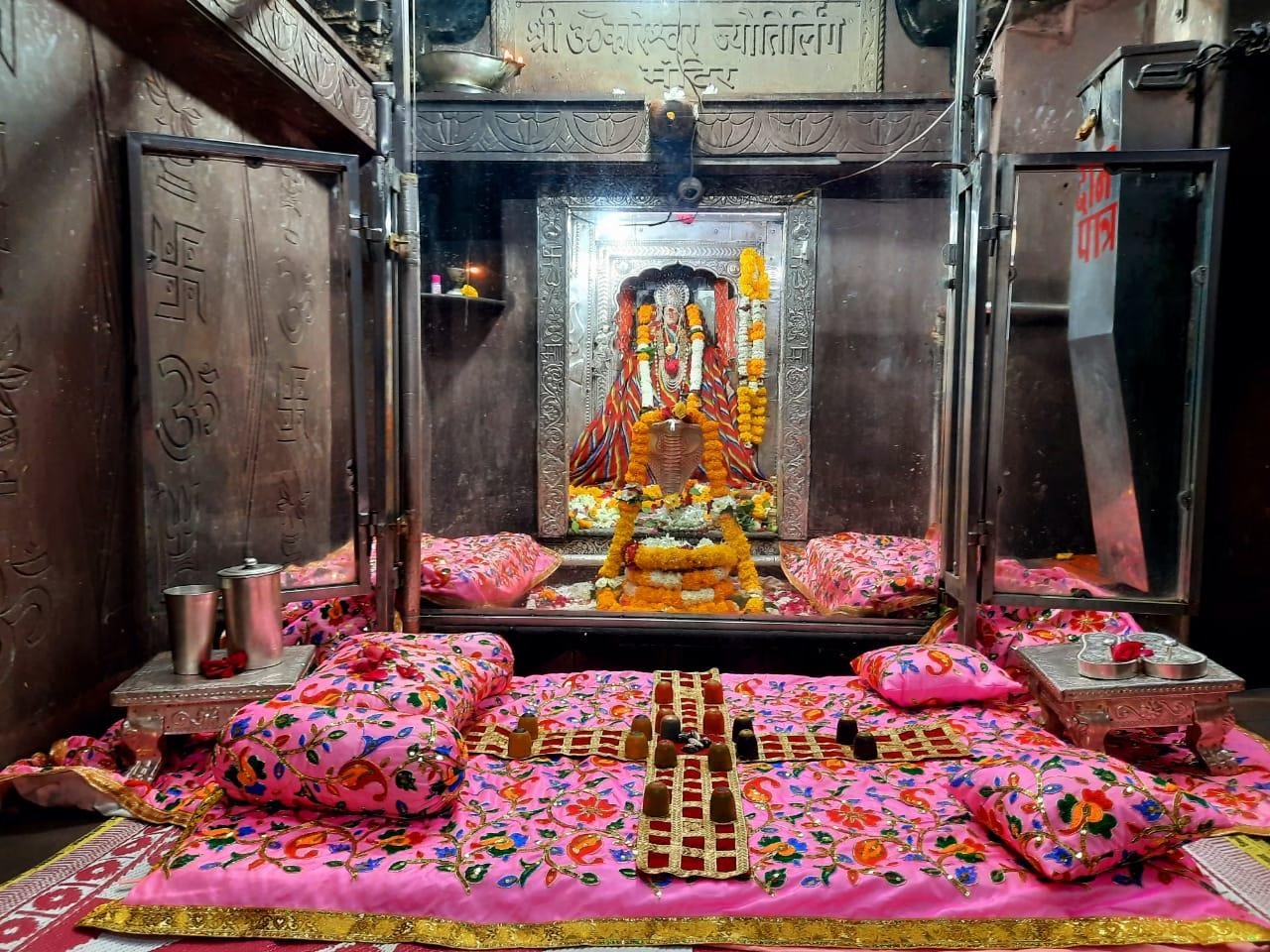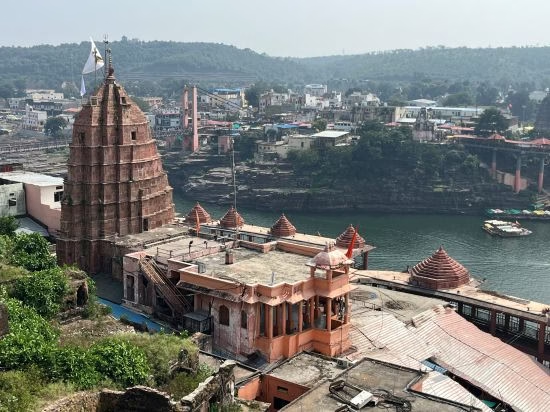
The Omkareshwar Temple architecture stands as a monumental masterpiece of ancient Indian engineering and spiritual design. Situated naturally on the Om-shaped Mandhata Island in the sacred Narmada River, the temple’s physical layout seamlessly merges sacred geometry with classical Nagara-style craftsmanship.
From the soaring multi-tiered Shikhara and intricately carved Sabha Mandapa pillars to the subterranean sanctum housing the divine Jyotirlinga, every architectural element holds deep symbolic meaning.
🏛️ Key Architectural Features of Omkareshwar Temple
✨ Highlights of Medieval Stone Craftsmanship
🎨 Intricate Relief Sculptures
Walls and ceiling panels display detailed carvings depicting scenes from the Ramayana, Mahabharata, and Shiv Purana, crafted by Paramara artisans.
🌊 River Ghat Integration
The temple complex connects directly to stone steps leading into the Narmada River, facilitating sacred immersion before entering the shrine.
🕉️ Sacred Natural Island Layout
The island of Mandhata forms a natural ‘Om’ symbol (ॐ) in the river flow, making the temple site an architectural marvel tied to natural landscape geometry.
Frequently Asked Questions (FAQs)
The primary Sabha Mandapa is supported by around 60 massive stone pillars, intricately carved with figures of gods, goddesses, and mythic motifs.
Yes, nearby Mamleshwar Temple, Siddhanath Temple (featuring grand elephant relief carvings), and Gauri Somnath Temple showcase magnificent medieval Nagara architecture.